Methanoic Acid: A Versatile Organic Compound
Methanoic acid, commonly known as formic acid, is a simple carboxylic acid with the chemical formula HCOOH. It plays a crucial role in various industrial and agricultural applications due to its strong acidity and reactive properties.
Properties of Methanoic Acid
Methanoic acid appears as a colorless liquid with a pungent odor. It has a boiling point of 100.8°C (213.4°F) and a melting point of 8.4°C (47.1°F). It is highly soluble in water, forming a strongly acidic solution. Its molecular weight is 46.03 g/mol, and it has a density of 1.22 g/cm³ at 20°C.
Applications of Methanoic Acid
In the textile industry, This acid is used in dyeing and finishing processes. It acts as a mordant, fixing dyes to fabrics, and improves the brightness and colorfastness of textiles.
In leather production, This acid aids in tanning and preserving hides. It helps in deliming and pH adjustment, ensuring the leather retains its quality and durability.
In agriculture, methanoic acid serves as a preservative for animal feed. It prevents microbial growth, extending the shelf life of silage and other feeds, thus maintaining nutritional value.
In chemical manufacturing, methanoic acid acts as an intermediate in producing various chemicals, including esters, salts, and formamide. It is also used in the synthesis of rubber and plastics.
Health and Safety
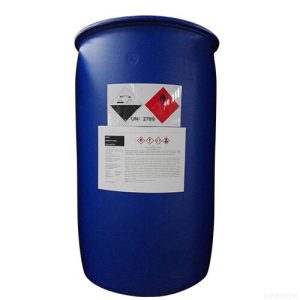
This acid is corrosive and can cause severe burns upon contact with skin or eyes. Inhalation of its fumes can irritate the respiratory system. Proper handling requires protective clothing, gloves, and eye protection, along with adequate ventilation in work areas.
Conclusion
This acid’s strong acidity and reactivity make it indispensable in several industries. Despite its hazards, when handled correctly, it offers significant benefits in textile processing, leather production, agriculture, and chemical synthesis. contact us